


Blog
What is PID in an espresso machine?


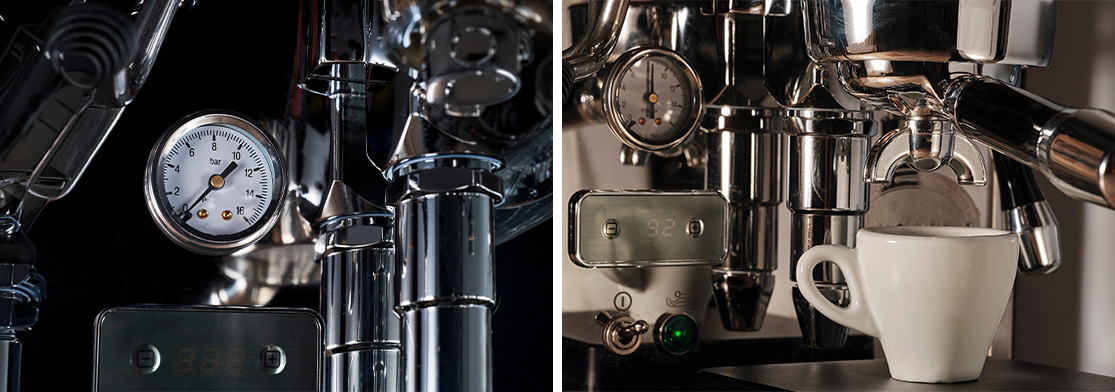
PID stands for Proportional-Integral-Derivative and refers to an electronic controller that continuously regulates the temperature of the boiler or the brew group of the espresso machine. In practice, the PID constantly reads the temperature via a sensor, compares the actual value with the set value and modulates the heating element’s power with small adjustments, rather than simply switching it on and off. In machines without a PID, temperature control is usually handled by a thermostat or a pressure switch: the system waits for the temperature to drop below a low threshold to reactivate the heating, then switches off the heating element when a high threshold is exceeded, causing fluctuations of as much as 10–15 °C. A PID drastically reduces this ‘temperature swing’, acting as a fine regulator that anticipates fluctuations and keeps the water very close to the setpoint.
Why the PID is more precise than thermostats and pressure switches
Thermostats and mechanical pressure switches operate on an on/off logic with a wide range between the switch-on and switch-off thresholds, creating a thermal ‘deadband’: the boiler heats up beyond the ideal value, then cools down well below it before the heating starts up again. This behaviour is simple and economical, but ill-suited to consistent brewing, particularly in domestic machines with small boilers, where the limited water volume amplifies these fluctuations. A PID, on the other hand, applies an algorithm that evaluates three components:
- proportional (how far we are from the setpoint),
- integral (how long the error has persisted),
- derivative (how the error is changing over time).
This allows the heating element’s power to be modulated gradually and continuously, maintaining the water temperature within a very narrow range, typically within approximately ±0.5–1 °C of the target, compared to fluctuations of up to 10–15 °C in purely mechanical systems.
The three practical advantages of PID in espresso machines
Implementing a PID system on an espresso machine has a direct impact on three aspects of coffee preparation: temperature stability, extraction quality and the ability to customise the recipe in a precise and repeatable manner.
- Constant temperature: the PID keeps the water very close to the setpoint throughout the entire brewing phase, compensating in real time for drops caused by subsequent draws and eliminating the fluctuations typical of mechanical systems, which can reach 10–15 °C between one cycle and the next.
- More predictable extraction: with a stable temperature, the risk of under-extracted (sour, weak body) or over-extracted (bitter, burnt) espresso is reduced. For families, small offices and home baristas, this translates to fewer wasted shots and a faster learning curve.
- Precise customisation: on many models with a display, the user can set the temperature with an accuracy of 1 °C or less, adapting the extraction to the type of coffee: slightly lower temperatures for light Arabica, higher for dark roasts or blends containing Robusta.
With a traditional pressure switch, all this requires indirect and unintuitive mechanical adjustments; with a PID, every change is immediate, measurable and easily reversible.
When does it make sense to choose a machine with a PID
For occasional and less ‘technical’ use, a machine without a PID can still deliver satisfactory results, especially if the user accepts a degree of variability and does not feel the need to optimise every detail. However, if you are looking for consistency, the ability to experiment with different coffees and more precise control over the recipe, the PID becomes one of the most significant upgrades compared to entry-level machines with a thermostat or pressure switch. Many modern mid-range and high-end models feature PID as standard, often combined with E61-style groups and pressure control systems, precisely because thermal stability is recognised as one of the key factors in espresso quality.
Our selection of home espresso machines with PID on Caffè Italia
If you’re interested in a home espresso machine with integrated PID control, the Caffè Italia catalogue features several models designed for home baristas with different needs and budgets:
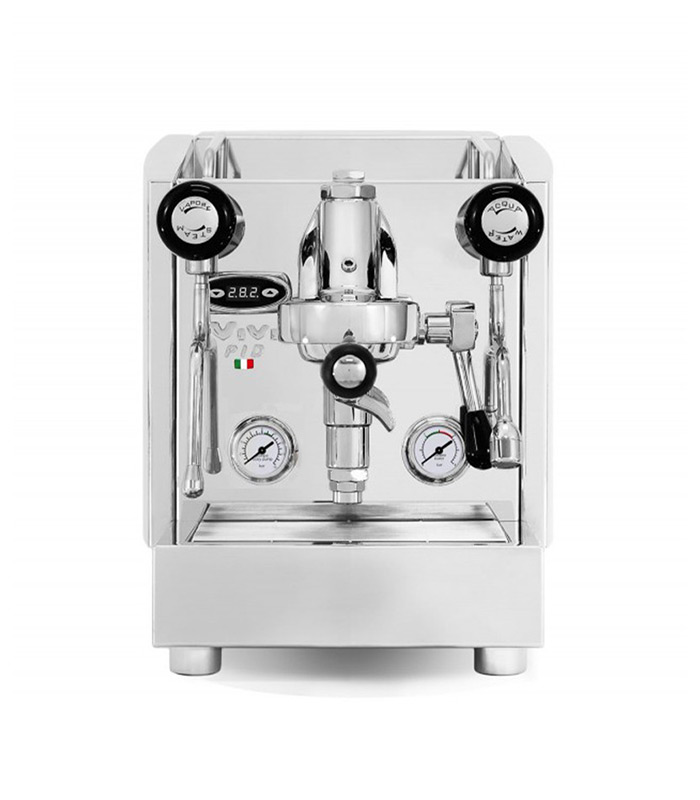
- Izzo Vivi PID Inox – A machine with an E61 group head, heat exchanger and PID for temperature control, designed for those seeking a complete stainless steel prosumer setup.
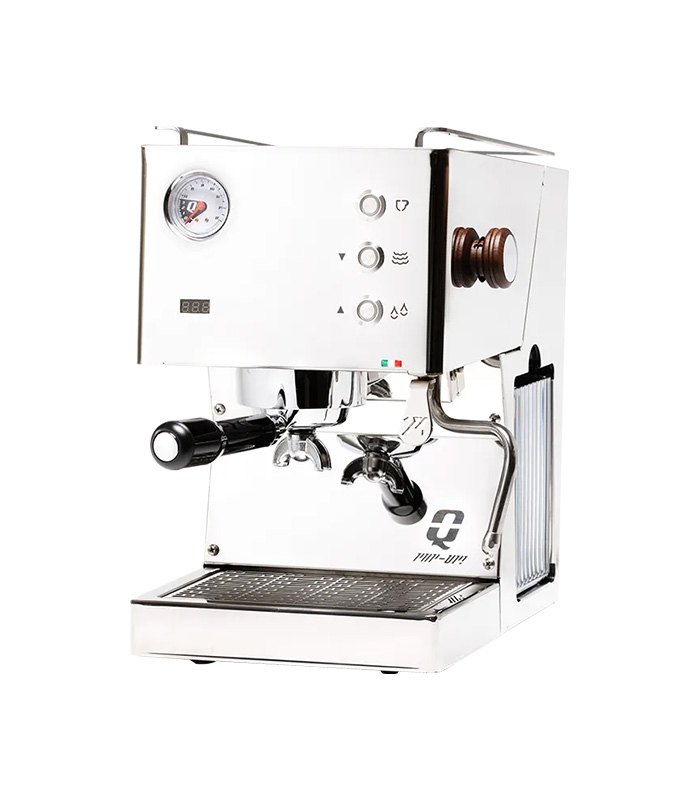
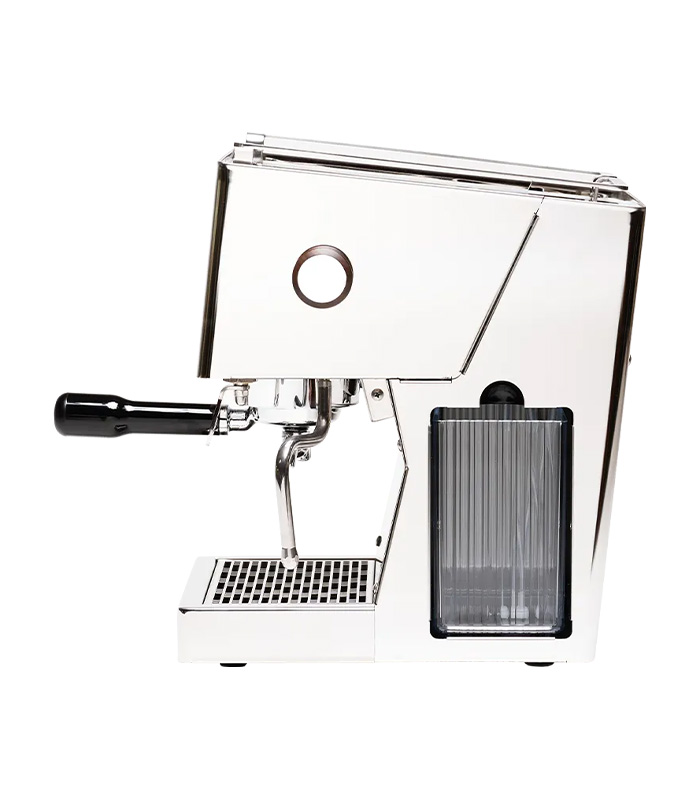
- Quick Mill Pop Up – Compact single-boiler machine with PID, aimed at those who want to control temperature and pressure in a compact format.
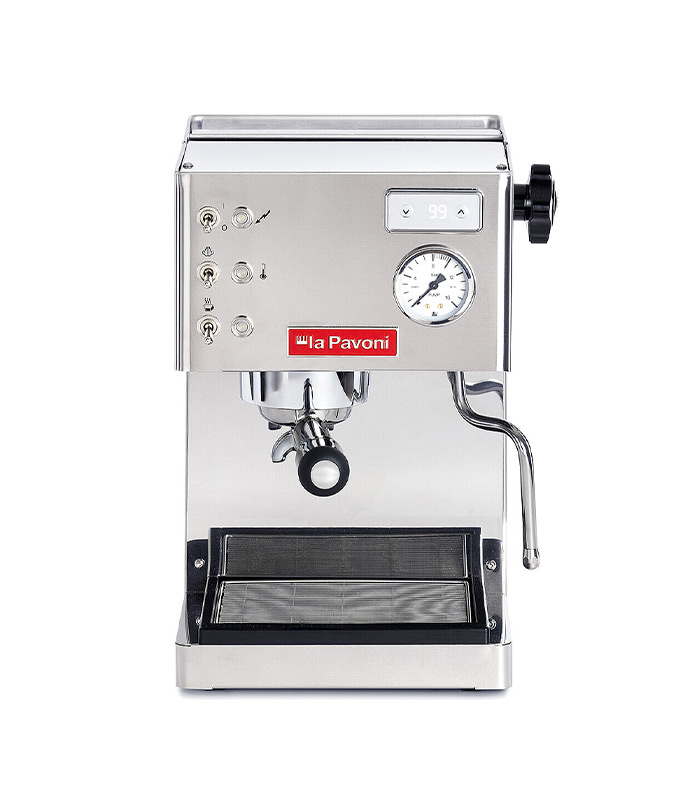
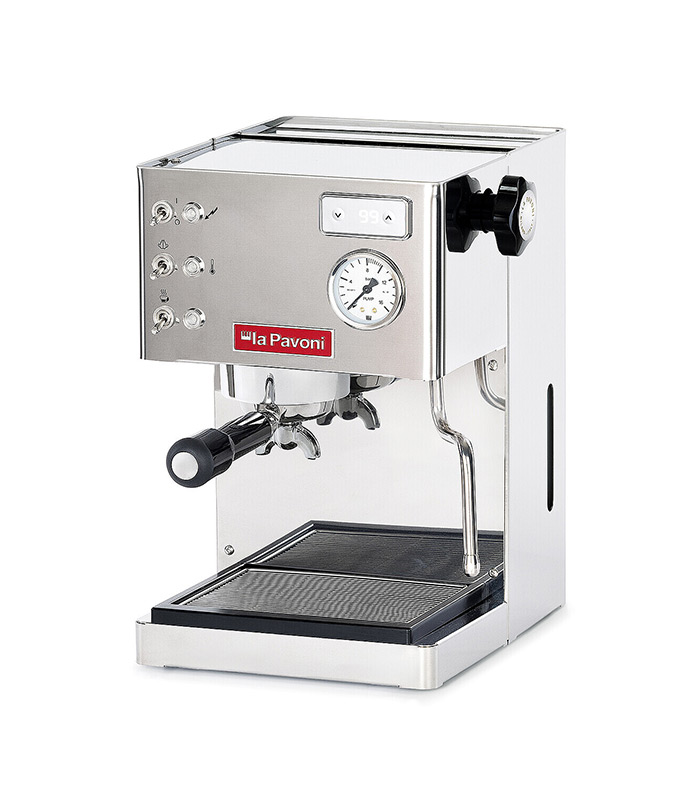
- La Pavoni Casa Bar PID Steel – Semi-professional machine with a brass boiler and PID system, suitable for advanced home use.
- Gaggia Classic Up Black – A new version of the iconic Classic, featuring more precise temperature control, designed to bring Gaggia quality to the home barista.
- Torre Pierino Inox – Machine featuring an E61 group, steel chassis and PID control (Torre Smart PID System), ideal for those seeking a handcrafted product with dual pressure gauges and an OLED display.




When does it make sense to choose a machine with a PID
For occasional and less ‘technical’ use, a machine without a PID can still deliver satisfactory results, especially if the user accepts a degree of variability and does not feel the need to optimise every detail. However, if you are looking for consistency, the ability to experiment with different coffees and more precise control over the recipe, the PID becomes one of the most significant upgrades compared to entry-level machines with a thermostat or pressure switch. Many modern mid-range and high-end models feature PID as standard, often combined with E61-style groups and pressure control systems, precisely because thermal stability is recognised as one of the key factors in espresso quality.
Our selection of home espresso machines with PID on Caffè Italia
If you’re interested in a home espresso machine with integrated PID control, the Caffè Italia catalogue features several models designed for home baristas with different needs and budgets:
A machine with an E61 group head, heat exchanger and PID for temperature control, designed for those seeking a complete stainless steel prosumer setup.
Compact single-boiler machine with PID, aimed at those who want to control temperature and pressure in a compact format.
Semi-professional machine with a brass boiler and PID system, suitable for advanced home use.
A new version of the iconic Classic, featuring more precise temperature control, designed to bring Gaggia quality to the home barista.
Machine featuring an E61 group, steel chassis and PID control (Torre Smart PID System), ideal for those seeking a handcrafted product with dual pressure gauges and an OLED display.